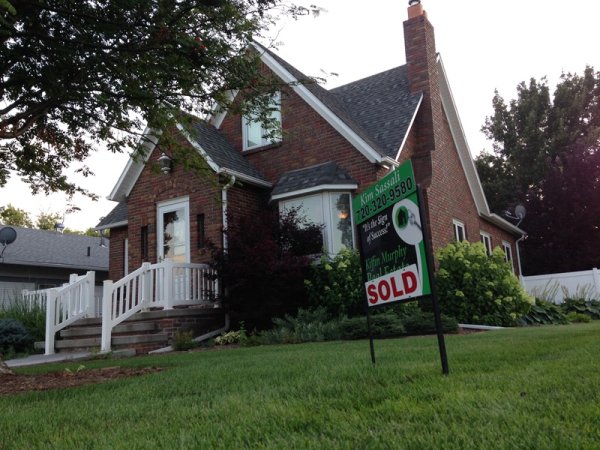
Purchasing your first home is one of the biggest financial and emotional decisions you will ever make. Whether you are buying an apartment in Nairobi, a maisonette in Kiambu, land in Eldoret, or a family home in Mombasa, understanding the Kenyan property buying process is essential to avoid costly mistakes, fraud, delays, and legal disputes.
For many first-time buyers in Kenya, the process can feel confusing and overwhelming due to legal paperwork, financing requirements, land verification procedures, taxes, and transfer processes. However, with the right guidance and proper due diligence, owning a home in Kenya can become a smooth and rewarding experience.
This comprehensive guide explains every step involved in buying property in Kenya — from budgeting and mortgage approval to title deed transfer and final ownership registration.
Step 1: Define Your Budget Honestly
Before browsing houses online or contacting real estate agents, the first thing you must do is establish a realistic and sustainable budget.
Many first-time home buyers in Kenya focus only on the listed property price and forget about the hidden costs associated with property transactions. These additional costs can significantly affect your finances if not planned for early.
Key Costs to Consider When Buying Property in Kenya
1. Purchase Price
This is the actual agreed cost of the property between the buyer and seller.
2. Stamp Duty
Stamp duty is a mandatory government tax paid during property transfer.
- Urban properties: 4% of the property value
- Rural properties: 2% of the property value
This is usually one of the largest additional expenses.
3. Legal Fees
Conveyancing advocates charge legal fees for handling the transfer process, drafting agreements, conducting searches, and registering ownership.
Legal fees typically range between 1% and 2% of the purchase price depending on the value of the property.
4. Valuation Fees
If you are financing through a mortgage, the bank will require an official valuation report to determine the property's market value.
5. Agent Commission
Real estate agent commissions in Kenya usually range between 2% and 3% of the property value.
Always clarify whether the seller or buyer is responsible for this fee.
6. Moving and Renovation Costs
You may need additional funds for:
- House painting
- Repairs and renovations
- Furniture
- Utility connections
- Security improvements
- Moving expenses
Important Budgeting Tip
As a general rule, always budget an additional 7%–10% above the listed property price to comfortably cover transaction and settlement costs.
Failing to account for these expenses is one of the most common mistakes first-time home buyers make in Kenya.
Step 2: Get Pre-Approved for a Mortgage (If Financing)
If you are not buying the property in cash, obtaining mortgage pre-approval should come before property hunting.
Mortgage pre-approval helps you understand:
- How much financing you qualify for
- Your expected monthly repayments
- The interest rate applicable
- The type of property you can afford
Benefits of Mortgage Pre-Approval
Stronger Negotiating Power
Sellers take pre-approved buyers more seriously because financing is already partially confirmed.
Faster Purchase Process
Once you identify the right property, the transaction moves faster since the bank has already assessed your financial position.
Prevents Financial Overstretching
Pre-approval protects you from committing to properties outside your repayment ability.
Documents Usually Required by Kenyan Banks
Most banks and mortgage institutions require:
- National ID or passport
- KRA PIN certificate
- Payslips or proof of income
- Bank statements
- Employment letter or business registration documents
Popular Mortgage Providers in Kenya
Some of the leading mortgage providers include:
- KCB Bank Kenya
- Equity Bank Kenya
- Stanbic Bank Kenya
- NCBA Bank
- Absa Bank Kenya
- Housing Finance Kenya
Compare interest rates, repayment periods, processing fees, and insurance requirements before making a decision.
Step 3: Find a Reputable Real Estate Agent
Choosing the right real estate agent can save you from fraud, inflated pricing, fake listings, and legal complications.
A professional and trustworthy agent will:
- Provide verified listings
- Guide you through negotiations
- Help arrange property viewings
- Assist with documentation
- Protect your interests throughout the transaction
How to Identify a Reliable Property Agent in Kenya
Check Registration
Work with agents registered under the Estate Agents Registration Board (EARB) of Kenya.
Avoid Pressure Tactics
Be cautious of agents who:
- Rush you into making payments
- Refuse site visits
- Avoid paperwork
- Ask for cash payments without receipts
Physically Visit the Property
Never rely solely on photos or videos. Always inspect the property personally.
Check:
- Accessibility
- Water availability
- Electricity connection
- Drainage systems
- Security
- Neighborhood condition
- Road network
Step 4: Conduct Thorough Due Diligence
Due diligence is the most important stage of property buying in Kenya.
Skipping this step can lead to ownership disputes, fraud, double sales, or buying land with court cases attached to it.
Essential Due Diligence Checks
1. Conduct a Title Search at the Lands Registry
A title search confirms:
- The legal owner of the property
- Whether the title is genuine
- Existing caveats or encumbrances
- Whether the land has been charged to a bank
This process is critical before signing any agreement or paying deposits.
2. Verify the Land Reference Number
Use a licensed surveyor to confirm the physical land matches the title documents and map records.
3. Confirm Land Rates and Rent Clearance
Ensure all outstanding:
- County land rates
- National land rent
have been fully paid.
Unpaid land obligations can delay transfer.
4. Investigate Disputes
Check for:
- Family disputes
- Succession cases
- Court orders
- Boundary conflicts
- Historical ownership disputes
Buying disputed land can create years of legal complications.
5. Verify Approvals for Apartments
If buying an apartment or gated community home, confirm:
- Approved building plans
- Occupation certificates
- Service charge structure
- Management company legitimacy
Step 5: Engage a Conveyancing Advocate
A conveyancing advocate handles the legal transfer of property ownership from seller to buyer.
This is not a step you should attempt to manage alone.
What a Conveyancing Lawyer Does
Your advocate will:
- Review ownership documents
- Draft and review the sale agreement
- Conduct legal searches
- Confirm compliance documents
- Process stamp duty
- Register the transfer
- Ensure ownership is legally transferred to your name
Hiring a qualified property lawyer protects you from legal loopholes and fraudulent transactions.
Step 6: Sign the Sale Agreement and Pay Deposit
Once all due diligence checks are satisfactory, the advocates prepare the official sale agreement.
The agreement outlines:
- Purchase price
- Payment terms
- Completion timelines
- Obligations of each party
- Penalties for breach of contract
Deposit Payment
Typically, buyers pay a deposit of:
- 10% to 30% of the purchase price
The balance is usually paid upon completion within:
- 30 to 90 days
Always ensure payments are made through traceable banking channels and acknowledged officially.
Step 7: Property Transfer and Title Deed Issuance
After full payment is completed, the transfer documents are submitted to the Lands Registry.
The process involves:
- Stamp duty assessment
- Payment confirmation
- Registration of transfer documents
- Issuance of title deed in the buyer’s name
How Long Does Title Transfer Take in Kenya?
The process typically takes:
- 4 to 8 weeks, depending on the county and registry efficiency.
Once completed, you officially become the legal owner of the property.
Congratulations — you are now a homeowner in Kenya!
Common Mistakes First-Time Home Buyers in Kenya Should Avoid
Avoid Buying Without a Title Search
Never trust verbal assurances alone.
Do Not Skip Professional Advice
Always involve:
- A conveyancing advocate
- A licensed surveyor
- A registered valuer when necessary
Avoid Unrealistically Cheap Deals
If the price looks too good to be true, investigate carefully.
Do Not Pay Cash Informally
Always use traceable payment methods and request official receipts.
Avoid Emotional Buying
Think long-term about:
- Accessibility
- Security
- Future development
- Resale value
- Infrastructure growth
Why Buying Property in Kenya is a Smart Long-Term Investment
Real estate remains one of the strongest long-term investments in Kenya due to:
- Rapid urbanization
- Population growth
- Expanding infrastructure
- Rising housing demand
- Land appreciation
Whether for residential living or investment purposes, property ownership can build financial security and long-term wealth.
The team at Eldoret City Realtors guides first-time home buyers through every stage of the purchasing process — from property identification and due diligence to legal transfer and title deed registration.
Reach out to us today and let us make your home-buying journey smooth, secure, and stress-free.